
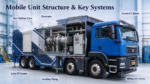
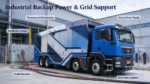

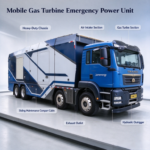
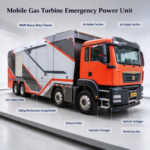
Our industrial gas turbine generator set delivers reliable multi‑fuel power output for offshore platforms, industrial parks, remote mines and emergency mobile power scenarios. Available in stationary skid‑mounted and truck‑chassis mobile configurations, the unit supports CCHP combined cooling‑heating‑power and meets global offshore certification standards.
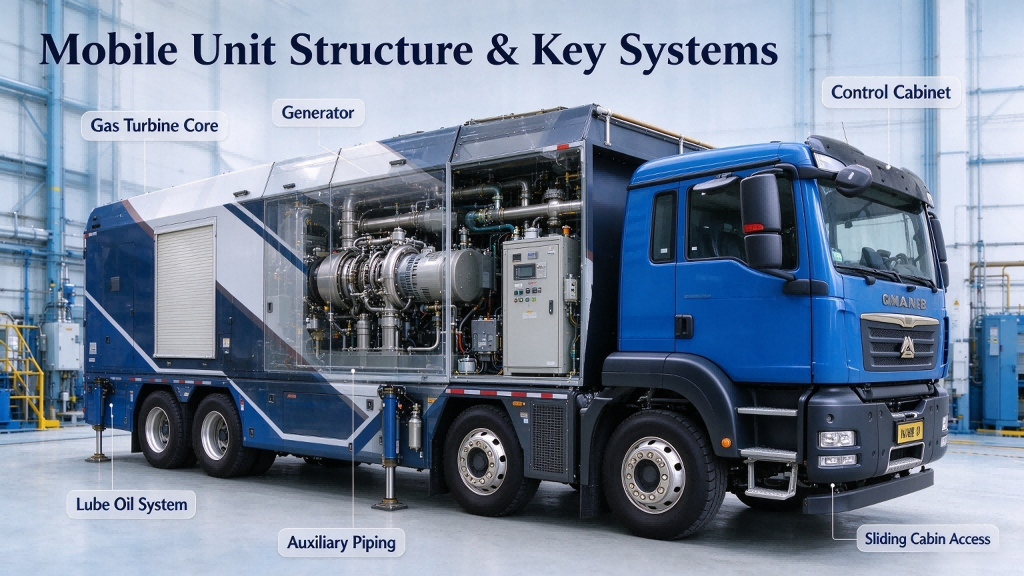
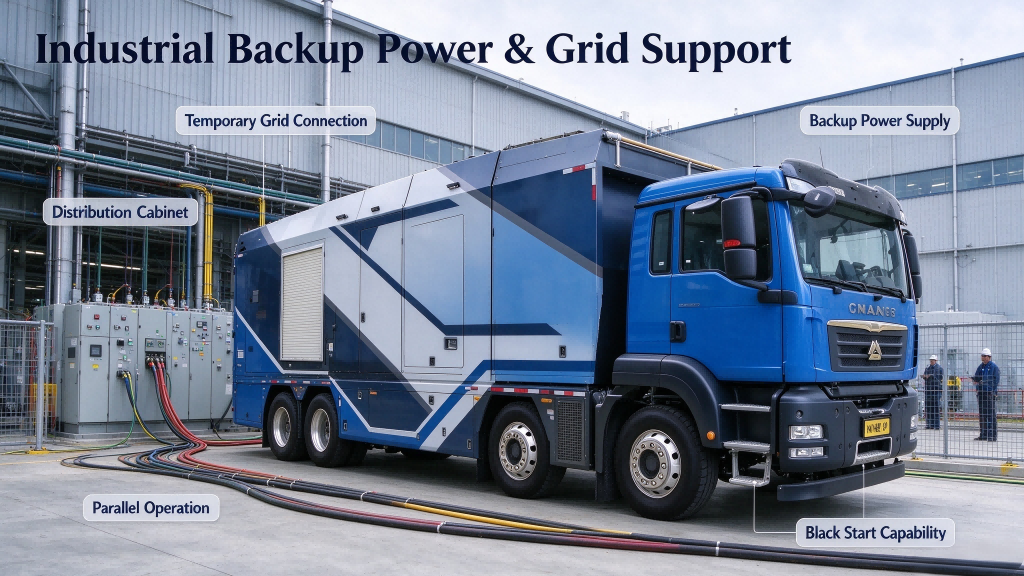
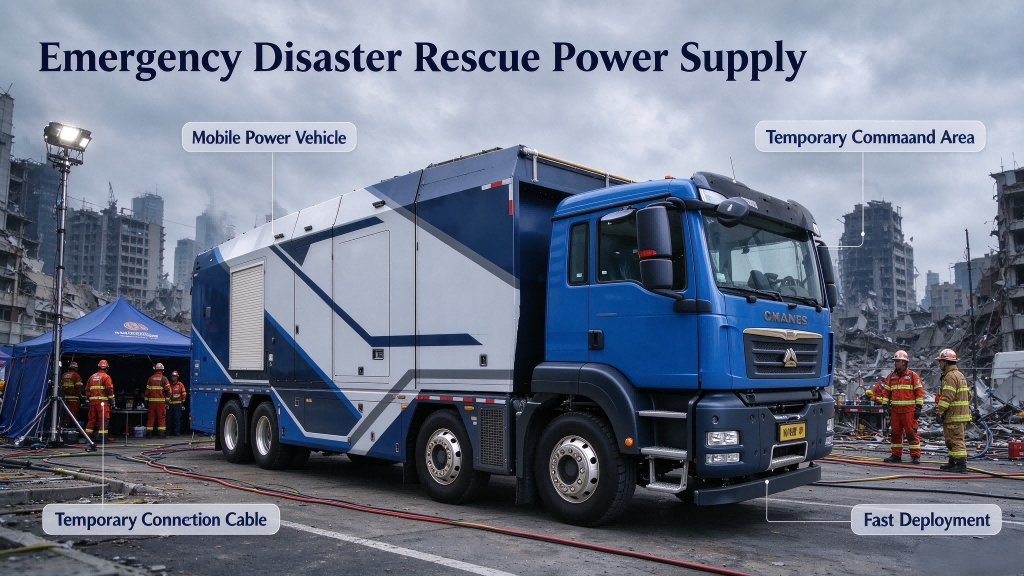
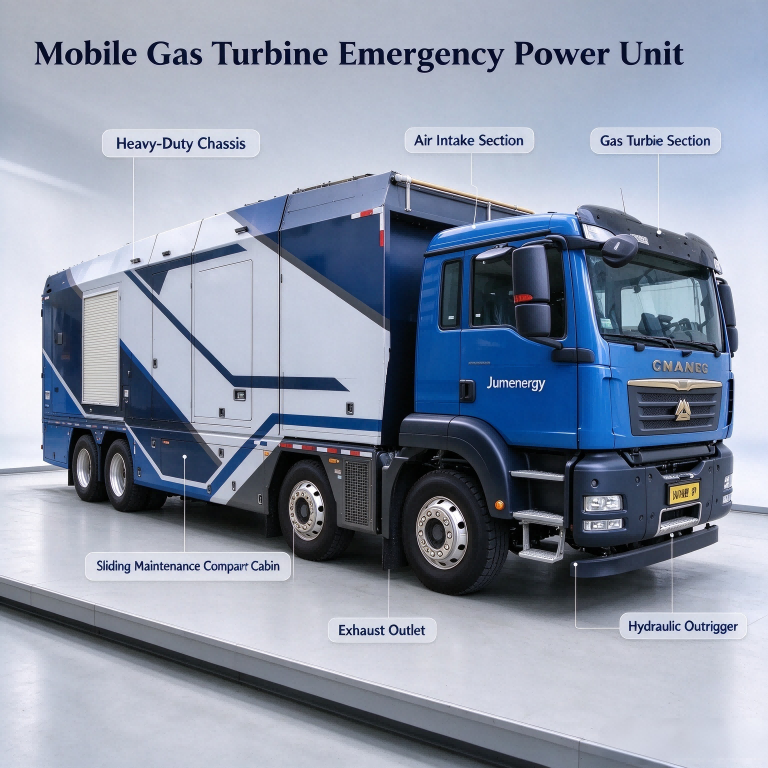
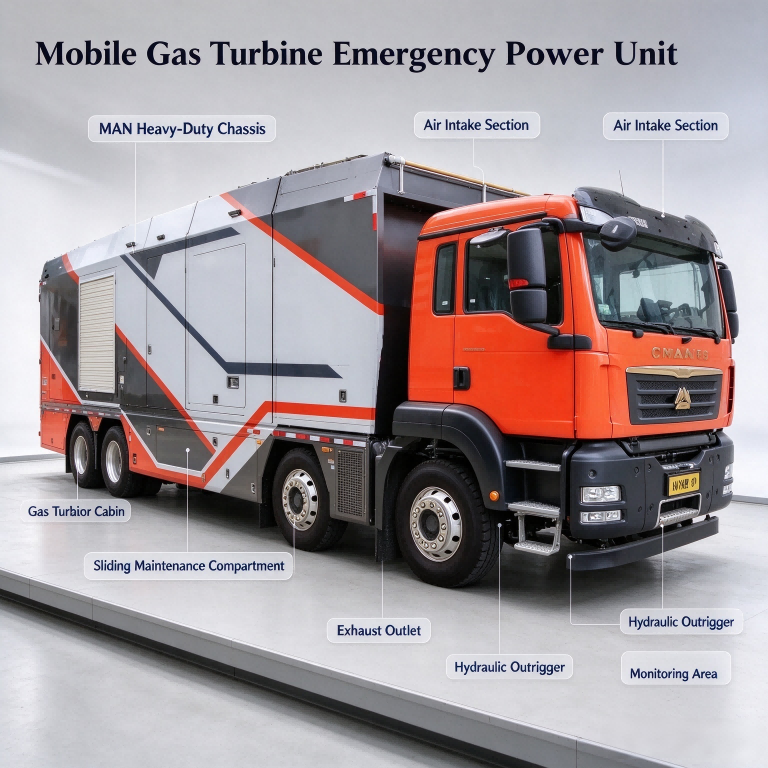
Industrial Small Gas Turbine Generator Set
- 1. **Multi‑Fuel Compatibility**
- Supports natural gas, diesel and offshore associated gas, flexible fuel switching for remote and offshore working conditions.
- 2. **Skid‑Mounted & Mobile Dual Options**
- Stationary skid‑packaged unit for permanent plant, truck‑chassis mobile variant for rapid‑deployment emergency power.
- 3. **Offshore‑Grade Global Certifications**
- ISO 9001, API Q1 and DNV product certification, qualified for offshore oil‑gas platform power generation.
- 4. **High‑Efficiency CCHP Capability**
- High‑grade waste heat output enables combined cooling‑heating‑power, greatly improving overall site energy utilization efficiency.
Industrial Small Gas Turbine Generator Set
Certifications: ISO 9001, API Q1, DNV offshore product certification | ISO standard condition: 15℃ ambient, 101.3 kPa atmospheric pressure, 60% relative humidity
Get A Quote
Submit your project parameters, power demand and working conditions, our engineering team will reply shortly.
Product Introduction
Our industrial gas‑turbine generator set is a core power equipment developed for diversified industrial applications. Built on an all‑radial single‑rotor architecture, this small‑scale gas turbine supports multi‑fuel operation including natural gas, diesel and associated gas. It delivers stable, high‑efficiency and low‑emission power for distributed energy, offshore platforms, emergency mobile power and micro‑grid projects.
With cantilever rotor layout and cold‑end bearing arrangement, the unit minimizes vulnerable components, cuts lube‑oil consumption and reduces rotor maintenance cost. Its high‑pressure‑ratio thermodynamic design achieves internationally‑competitive performance. The annular low‑pollution combustion system suppresses NOₓ and CO emissions, complying with environmental codes across China, Europe, America and other Asian regions. The product portfolio covers stationary skid‑mounted units as well as truck‑chassis mobile power variants for rapid‑deployment scenarios.
Key Performance Parameters (ISO Condition)
| Item | Specification |
|---|---|
| Rated output power | 1 800 kWe |
| Rated output voltage | 10.5 kV / 6.3 kV / 400 V (optional) |
| Rated frequency | 50 Hz / 60 Hz (optional) |
| Power factor | 0.8 |
| Power‑generation efficiency | ≥ 24 % |
| Fuel consumption‑natural gas | 760 Nm³/h |
| Fuel consumption‑diesel oil | 756 L/h |
| Waste‑heat steam output | Approx. 6 t/h |
| Noise emission | ≤ 85 dB(A) @ 1 m from enclosure |
| NOₓ emission (natural gas @15 % O₂) | ≤ 15 ppmv |
| NOₓ emission (diesel @15 % O₂) | ≤ 47 ppmv |
| Stationary unit dimension | 8 m × 2.65 m × 3 m (enclosure) 12 m × 2.8 m × 6 m (full scope: filtration, stack, black‑start module) |
| Mobile unit dimension | 9.5 m × 2.5 m × 2.65 m (enclosure) 12 m × 2.5 m × 3.5 m (full chassis assembly) |
| Weight‑stationary | ≤ 35 t |
| Weight‑mobile | ≤ 32 t |
Skid‑Mounted Unit Features
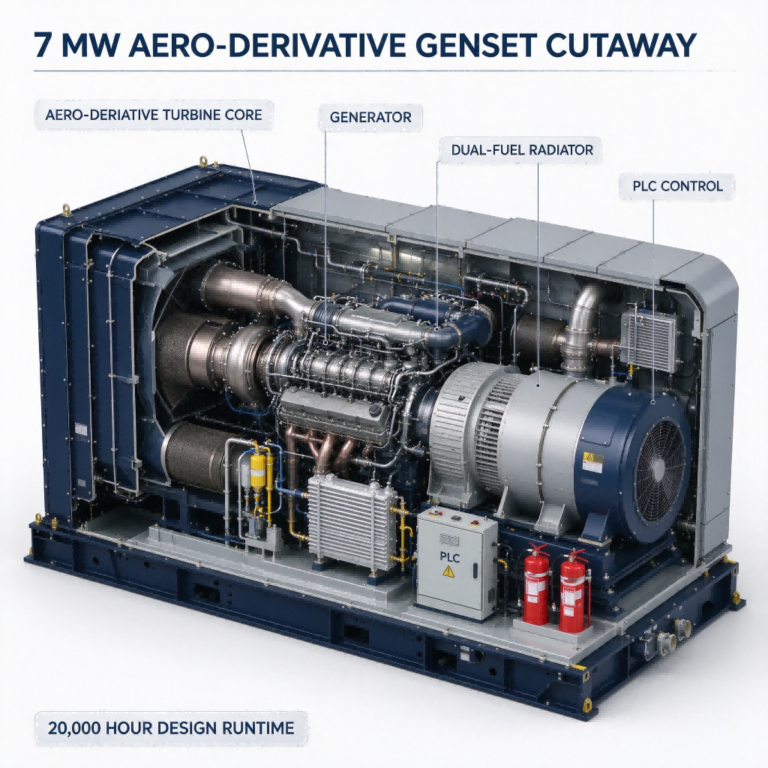
- Integrated skid‑packaged design: Main turbine, generator, lube‑oil system, control cabinet and auxiliary piping are pre‑assembled on a shared base skid. Factory pre‑testing is completed before shipment.
- Minimize site‑work: On‑site construction workload is largely reduced; only foundation anchoring, fuel piping, exhaust stack and grid connection are required.
- Modular expansion: Can be combined with waste‑heat boiler, lithium‑ion BESS, chiller units to build CCHP trigeneration or hybrid GT‑BESS frequency‑regulation systems.
- Compact footprint: Optimized layout saves plant space, suitable for distributed energy stations, offshore platform deck and container‑style power houses.
- Unified control interface: Centralized PLC control for turbine, auxiliary utilities and grid‑interconnection logic, supporting local HMI and remote SCADA monitoring.
Core Advantages & Benefits
- High reliability with fewer wearing parts: All‑radial single‑rotor design reduces vulnerable components; cantilever rotor plus cold‑end bearing arrangement greatly lowers lube‑oil consumption and rotor overhaul expenses.
- Multi‑fuel capability: Runs on natural gas, diesel, offshore associated gas; flexible fuel switching adapts to remote sites and offshore oil‑gas facilities.
- Ultra‑low emissions: Annular low‑NOₓ combustion chamber meets European, American and Asian emission standards; DNV‑approved for marine‑offshore application.
- High‑grade waste‑heat availability: About 6 t/h steam output enables combined cooling‑heating‑power (CCHP) to raise overall energy‑utilization efficiency.
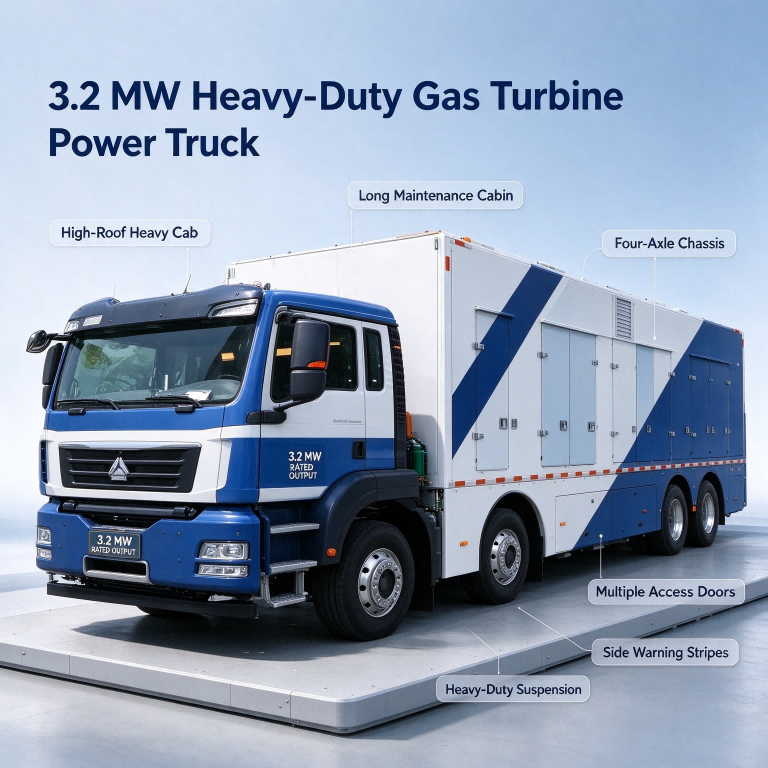
- Dual‑form factor options: Stationary skid‑mount for permanent plants; truck‑chassis mobile power unit for emergency, temporary worksites and disaster‑relief power.
- Global‑recognized qualifications: ISO 9001 quality‑management, API Q1 oil‑gas‑industry standard, DNV marine‑product certification for offshore‑platform projects.
Typical Application Scenarios
- Distributed CCHP energy station: Industrial parks, university campuses, commercial complexes for combined power, heating and cooling supply.
- Offshore oil‑gas platform: Utilize well‑head associated gas for on‑platform power generation (DNV certified).
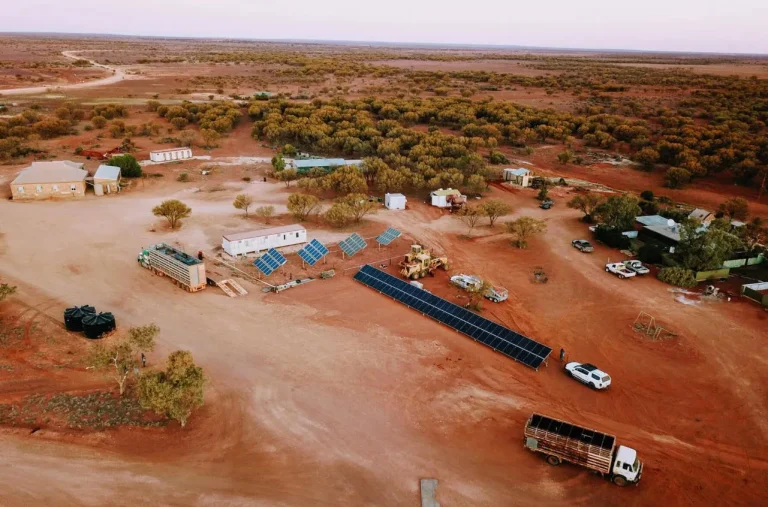
- Remote & off‑grid sites: Mines, isolated industrial facilities as prime power source.
- Mobile emergency power: Truck‑mounted gas‑turbine power vehicle for grid‑failure emergency backup, field construction, disaster response.
- Hybrid micro‑grid & test platform: Work alongside PV, wind and battery‑energy‑storage for multi‑source complementary micro‑grid and lab‑verification projects.
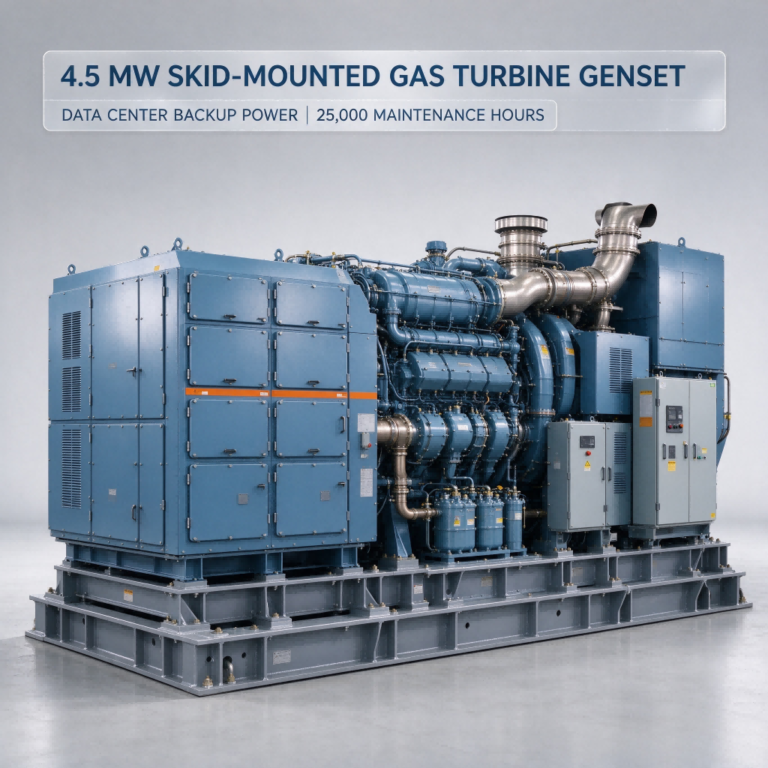
- Data‑center critical power: Serve as prime on‑site power supply to reduce public‑grid dependency for hyperscale and colocation data‑center infrastructure.
- Grid ancillary service: Combined with BESS to deliver joint frequency‑regulation capacity for power‑grid stabilization.
Delivery & Site‑Transition / Relocation
Delivery scope
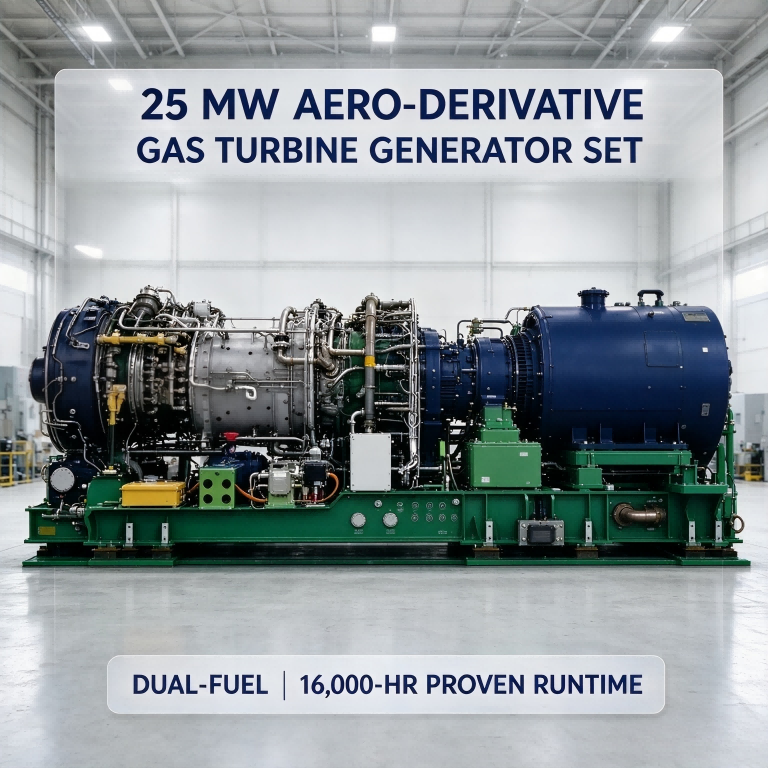
- Stationary skid‑mounted unit: Gas‑turbine generator skid, enclosure, local control system; optional scope includes air‑filtration house, exhaust stack, black‑start module, waste‑heat boiler and auxiliary utility packages.
- Mobile power unit: Turbine‑generator set fully integrated on truck chassis, with self‑contained control and auxiliary systems.
- Deliverables: Factory acceptance test (FAT) report, certification documents, operation‑maintenance manuals, spare‑parts list, on‑site commissioning service.
Site‑transition & relocation
- Stationary skid‑mounted: Unit can be lifted and transported as one complete skid after disconnection of fuel pipe, exhaust duct, power cable and cooling connections. Re‑installation requires new foundation work and re‑commissioning.
- Mobile truck‑chassis unit: Ready for rapid road transit. After arriving at new worksite, connect fuel source and output cable; perform short commissioning before power generation. No heavy‑duty foundation construction required.
Note: Mobile units are designed for temporary‑mission frequent relocation; stationary skid‑mounted versions target long‑term fixed‑site operation.
Frequently Asked Questions
Q1: What fuels can this gas turbine accept?
Main fuels include natural gas, light‑grade diesel, and offshore oil‑field associated gas. Fuel‑gas quality must satisfy specified pressure and impurity‑content requirements. Custom adaptation is available for special fuel compositions.
Q2: What is the difference between stationary skid‑mounted and mobile truck‑chassis versions?
Stationary skid‑mounted is for long‑term fixed‑site deployment with full auxiliary systems. Mobile truck‑chassis variant emphasizes fast relocation and emergency‑response capability, pre‑integrated on commercial vehicle chassis, without heavy‑duty on‑site civil‑works.
Q3: Does this turbine support 60 Hz export‑market projects?
Yes. Rated frequency can be configured as 50 Hz or 60 Hz according to project requirements; output voltage is also configurable.
Q4: Can it work with waste‑heat boiler for CCHP trigeneration?
Yes. The exhaust delivers sufficient thermal energy for waste‑heat steam generation (~6 t/h). Matching waste‑heat boiler and absorption chiller can realize combined cooling‑heating‑power supply for industrial parks and campuses.
Q5: Is this unit certified for offshore‑platform use?
Yes. The 1.8 MW variant has obtained DNV product‑certification, qualified for offshore oil‑gas‑platform power‑generation applications. It also holds ISO 9001 and API Q1 certifications for oil‑gas‑industry projects.
Q6: What noise level should I expect?
≤ 85 dB(A) measured at 1 meter from the unit enclosure. Additional acoustic‑silencer packages can be supplied for noise‑sensitive sites.
Q7: Can the gas turbine cooperate with BESS for frequency‑regulation service?
Yes. The turbine control system supports external communication interface to work with battery‑energy‑storage systems, forming GT+BESS hybrid frequency‑regulation solutions for grid‑ancillary‑service scenarios.
Q8: What about after‑sales support and spare‑parts supply?
We supply genuine gas‑turbine hot‑section components, control‑system spares and consumables. On‑site commissioning, overhaul service and technical‑training packages are available for global customers.
Get A Quote
Submit your project parameters, power demand and working conditions, our engineering team will reply shortly.

Get in touch
Enter your serial number so we can connect you to the original dealer for support, repairs and warranty requests.
Get in-depth on-line training about our products and solutions by Victron experts. Create a free Victron Professional account to join trainings, see firmware changelogs and get access to all the other expert know-how and tools.